


Design Adaptation
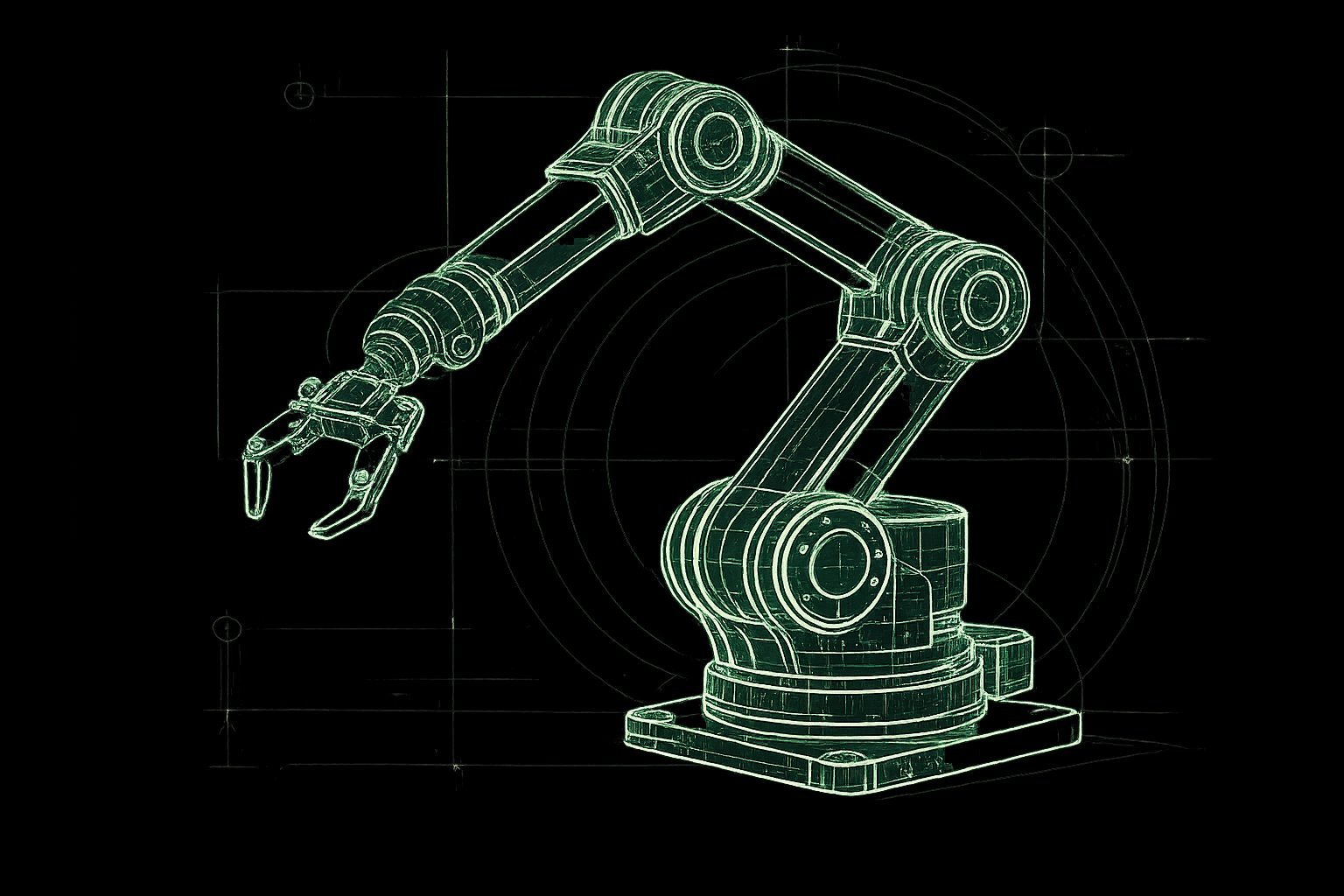
Modify and adapt existing tooling designs to fit new parts, payloads, or cell geometries — fast iteration without starting from scratch each time the application shifts.
Site operations, IT, and in-house 3D printing
Test data that drives engineering decisions
End-of-arm tooling engineered for your line
Root-cause depth across controls and embedded systems
Custom test beds, design adaptation, and retrofitting
Installation, commissioning, and multi-site logistics
Mechanical, electrical, test, and controls disciplines
Most engagements span more than one service line. Describe the problem, and the right team gets lined up.
Start a conversationEmtech is built around engineers who own the result — not the kickoff or the deliverable, the result.
Meet the teamEmbedded with senior people, working directly on customer programs from day one. No QA gauntlets, no months on the bench.
View open rolesTen articles tracking Amazon's tactile manipulation breakthrough across trade press, mainstream media, and industry analysis.
Read the analysisFrom concept to commissioning — grippers, fixtures, and tooling that earn their place on your line.
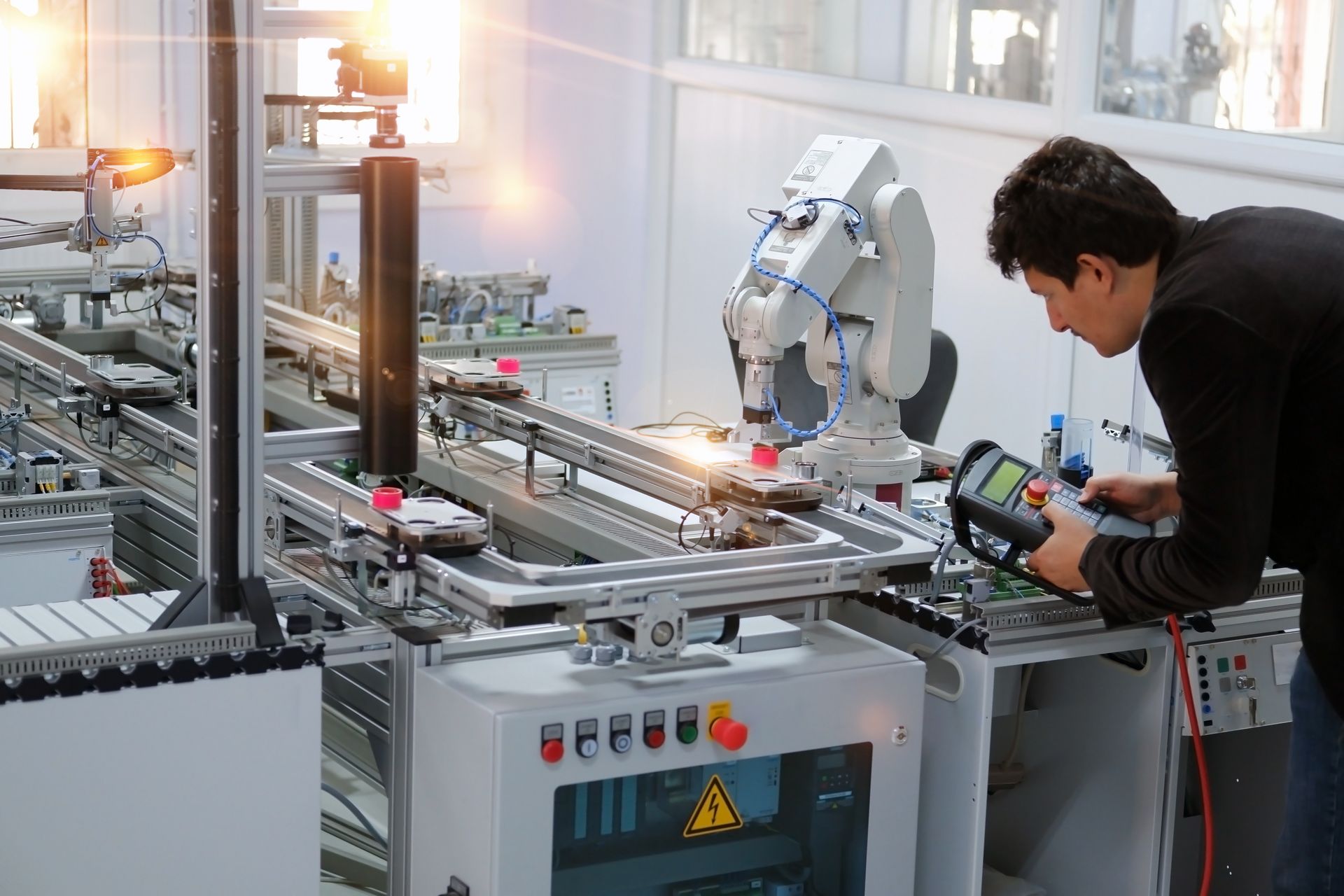
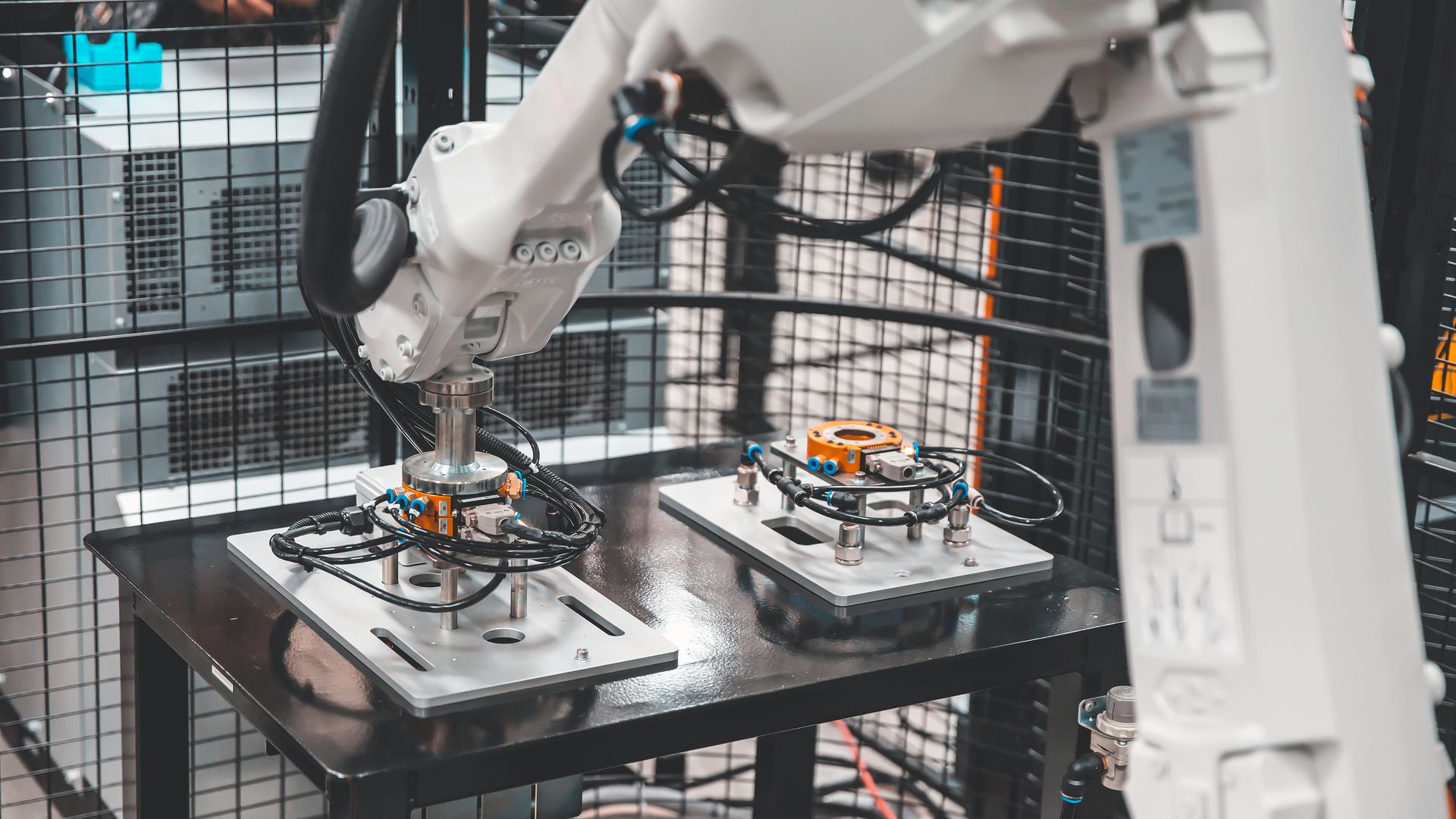
Start a ProjectEnd-of-arm tooling is where automation succeeds or stalls. Generic tooling forces compromises in cycle time, payload, or reliability that compound across every shift. The EOAT team designs and adapts tooling specifically for your application — and validates it at line rate before it ships.
Modify and adapt existing tooling designs to fit new parts, payloads, or cell geometries — fast iteration without starting from scratch each time the application shifts.
Native SolidWorks design and modeling for new EOAT, fixtures, and integration hardware — with engineering drawings, revision control, and clean handoff documentation built in.
Structured QA processes that catch tolerance, fit, and performance issues before parts ship — saving the rework cycle and protecting your integration timeline.
Geometry, surface, mass, fragility, presentation. Measure the part and its environment before drawing the first concept — most EOAT problems trace back to skipping this step.
Native SolidWorks design, 3D-printed prototypes, and rapid iteration. Most EOAT designs converge in 2–3 revisions when the part is properly understood up front.
QA against your acceptance criteria — in your cell, at your throughput, with your operators in the loop. Bench validation is not the same as line validation.
Emtech embeds specialized technical teams directly in your environment, integrated into your workflow and accountable to your outcomes.
Technology-agnostic, recommending what fits the project.
Same execution depth at 1 site or 20, scaling with the project.
R&D through live ops, owning the outcome.
Most engagements span more than one team. Here's how the other Emtech service lines fit alongside this one.
Site operations, IT, and in-house 3D printing.
Explore →
Reliability, performance, and acceptance testing.
Explore →
Root-cause depth across controls and embedded.
Explore →
Custom test beds, adaptation, retrofitting.
Explore →
Commissioning, integration, multi-site rollout.
Explore →
Mechanical, electrical, test, and controls.
Explore →Tell us where the project stands. The response will come prepared: the right questions, the right context, and a clear picture of what working together involves.